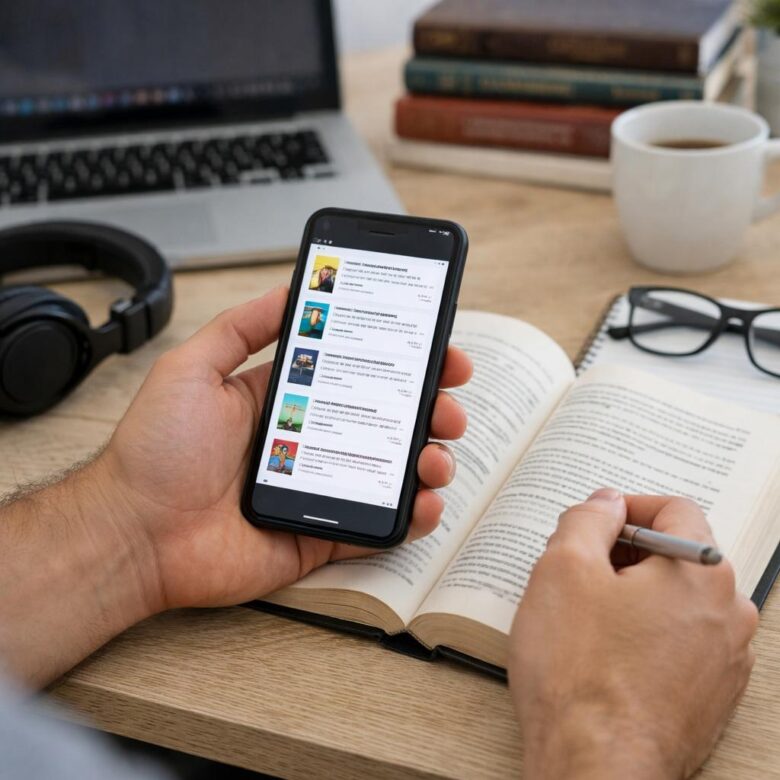
What if the real problem isn’t that you don’t read enough-but that you waste time on the wrong books?
Book summary apps promise faster learning by compressing big ideas into bite-sized lessons, audio summaries, and actionable takeaways. But the best ones do more than shorten books-they help you remember, apply, and revisit what matters.
Whether you want to build better habits, understand business strategy, sharpen your thinking, or learn during a commute, the right app can turn dead time into useful learning time.
This guide breaks down the best book summary apps for learning faster without wasting hours on shallow summaries, clunky interfaces, or content you’ll forget by tomorrow.
What Makes a Book Summary App Worth Using for Faster Learning?
A good book summary app should save time without making you feel like you only read a shallow blog post. The best tools combine clear summaries, audio learning, key takeaways, and practical notes you can apply to work, study, or personal finance decisions.
Look for apps that match how you actually learn. For example, if you commute daily, an audio-first platform like Blinkist can turn travel time into learning time, while someone preparing for a business presentation may need searchable highlights, categories, and offline access.
- Quality of summaries: The app should explain the author’s main argument, not just list random quotes.
- Learning formats: Audio summaries, text summaries, flashcards, and note-taking features make the subscription cost easier to justify.
- Book selection: Strong coverage in business, leadership, psychology, productivity, investing, and self-development adds more long-term value.
From real use, the biggest difference is whether the app helps you remember and act on what you learn. A summary of an investing book, for instance, is far more useful when you can save key ideas, revisit them later, and compare them with other finance books before making decisions.
Also check the pricing model before paying. A cheap monthly plan is not always better if the library is limited, the mobile app feels clunky, or the summaries lack depth. The right book summary service should feel like a learning tool, not just another subscription you forget to use.
How to Choose the Best Book Summary App for Your Reading Goals
The best book summary app depends on how you actually learn, not just how many titles it offers. If you listen during a commute, an app with high-quality audio summaries and offline access may be more valuable than a large digital library. If you take notes for work, look for highlighting, export options, and integrations with tools like Notion or Evernote.
Start by matching the app to your main goal: career growth, personal finance, leadership, health, or general knowledge. For example, a manager preparing for a team strategy meeting may get more value from getAbstract because it focuses heavily on business books, management ideas, and professional development topics. A casual reader who wants quick self-improvement lessons may prefer a simpler mobile app with short daily summaries.
- Check the format: Choose text, audio, or both depending on whether you read at home, listen in the car, or learn between meetings.
- Compare the subscription cost: A cheaper plan is not always better if it lacks offline listening, audiobook-style narration, or a useful recommendation engine.
- Test the summary quality: Good apps explain key ideas clearly and include practical takeaways, not just chapter-by-chapter shortcuts.
Before paying for an annual subscription, use the free trial and read summaries of books you already know. This is a simple way to judge accuracy, writing quality, and whether the app captures the author’s real argument. Also check device support, cancellation terms, and whether the service works well on iPhone, Android, tablet, and desktop.
Common Mistakes That Make Book Summary Apps a Waste of Time
The biggest mistake is treating book summary apps like a replacement for reading, instead of a filtering tool. A 15-minute summary can help you decide whether a business, finance, or self-improvement book is worth buying, but it cannot replace the examples, case studies, and nuance in the full book.
Another common issue is passive listening. Many people open Blinkist during a commute, finish three summaries, and remember almost nothing by lunch. If you want real learning, save key ideas into a note-taking app like Notion, Apple Notes, or Google Keep, then turn one idea into an action step.
- Consuming too many summaries: More content does not mean better learning. Pick one topic per week, such as negotiation skills, personal finance, or productivity systems.
- Ignoring the source book: If a summary changes how you think, buy the audiobook, ebook, or hardcover version and go deeper.
- Choosing based only on subscription cost: A cheap app is still expensive if the summaries are shallow, outdated, or poorly organized.
A real-world example: if you are using a summary app to improve leadership skills before a promotion, do not just listen to summaries on management books. Create a short checklist for your next team meeting, test one technique, and review what worked.
Book summary apps are best when they support a learning system: discovery, quick review, note capture, and application. Without that, even the best productivity app becomes just another paid subscription on your phone.
Key Takeaways & Next Steps
The best book summary app is the one that fits your learning goal, not necessarily the one with the largest library. If you want quick business insights, choose a focused summary platform; if you prefer deeper retention, pick an app with audio, highlights, spaced repetition, or action steps.
- For speed: choose concise, well-structured summaries.
- For retention: prioritize notes, flashcards, and reviews.
- For daily use: select the app with the format you’ll actually stick with.
Use summaries to discover ideas faster, then read the full books that truly matter.

Dr. Silas Vance is a Doctor of Education (EdD) and a digital literacy researcher focused on the evolution of modern reading. He explores the synergy between cognitive retention and digital interfaces, providing expert insights into the apps and tools that transform how we consume and master information in the digital age.