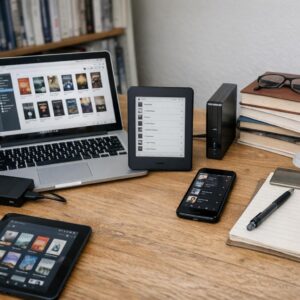
What if the problem isn’t your attention span-but the app you’re using to read?
Reading more books every month rarely comes down to willpower alone. The right reading app can remove friction, track momentum, fit books into small pockets of time, and make your next chapter easier to start.
Whether you prefer ebooks, audiobooks, summaries, library borrowing, or habit tracking, today’s best reading apps are built for different kinds of readers-not just different formats.
This guide breaks down the apps that actually help you read more consistently, choose better books, and turn “I should read more” into a monthly habit you can measure.
What Makes the Best Reading Apps Effective for Finishing More Books?
The best reading apps do more than store ebooks; they reduce friction between wanting to read and actually opening a book. Features like progress tracking, reading streaks, offline access, adjustable fonts, and cross-device syncing make it easier to read during small gaps in the day, whether you are commuting, waiting at an appointment, or winding down at night.
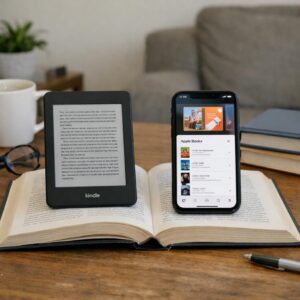
A good app should also match your reading style and budget. For example, Kindle works well if you buy ebooks often and want seamless syncing across an e-reader, phone, and tablet, while Libby is excellent for borrowing free library ebooks and audiobooks without adding another monthly subscription cost.
- Low-friction access: Download books for offline reading so poor Wi-Fi or mobile data limits do not interrupt your habit.
- Smart motivation: Use reading goals, time estimates, and highlights to stay engaged without feeling pressured.
- Format flexibility: Switch between ebooks and audiobooks when your schedule changes, especially during driving, workouts, or chores.
In real life, the most effective setup is often a combination of tools. Someone who reads business books may use Audible during a commute, Kindle for highlighting key ideas, and a notes app like Notion to save takeaways for work or personal development.
The right app should make reading feel convenient, not like another productivity task. Before paying for a premium plan, compare the catalog, device compatibility, audiobook availability, family sharing options, and total monthly cost against how you actually read.
How to Use Reading Apps to Build a Consistent Monthly Reading Habit
The easiest way to read more books every month is to treat your reading app like a daily planning tool, not just a digital bookshelf. Set a realistic monthly goal inside apps like Kindle, Audible, Libby, or StoryGraph, then break it into small daily sessions you can actually keep.
For example, if you want to finish two books a month, schedule 20 minutes of reading before bed and use audiobook time during commuting, workouts, or household chores. This works especially well if you switch between an eBook and an audiobook version, because you can continue the same book across different devices without losing momentum.
- Use reminders: Turn on reading notifications, but set them for a time when you are usually free.
- Track progress: Use streaks, reading stats, or monthly challenges to stay accountable.
- Control costs: Compare subscription services, free library apps, and premium plans before paying.
A useful habit is keeping one “easy read” available at all times, such as a short novel, personal finance book, or practical self-improvement guide. In real life, people often stop reading because the next book feels too demanding, not because they dislike reading.
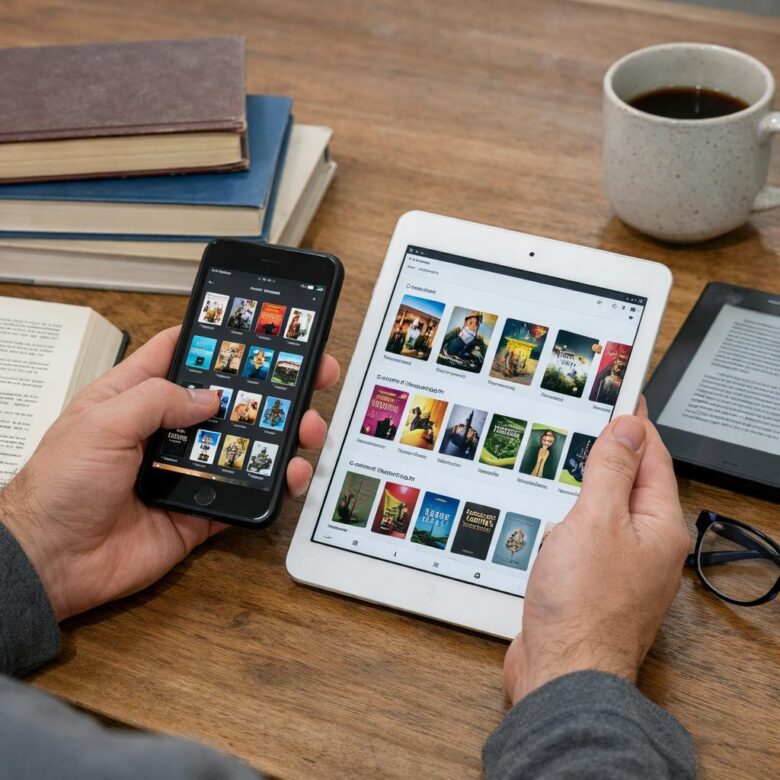
If you use an e-reader, phone, and audiobook app together, sync your library across devices so reading is always convenient. The best reading app is the one that removes friction, fits your budget, and makes it simple to open a book instead of another social media app.
Common Mistakes to Avoid When Choosing a Reading App for Your Goals
One common mistake is choosing the app with the biggest library instead of the one that fits your reading habits. If you mostly read on your commute, an audiobook service like Audible or a library app like Libby may help more than a feature-heavy ebook subscription you rarely open.
Another issue is ignoring the total cost. A low monthly subscription can still be poor value if the books you want require extra purchases, premium credits, or a separate ebook reader device like a Kindle. Before paying, check the catalog, cancellation policy, offline reading options, and whether the app works well across your phone, tablet, and desktop.
- Don’t chase too many features: notes, highlights, streaks, and reading analytics are useful only if they support your actual goal.
- Don’t overlook free options: library card access through apps such as Libby can save money while still offering popular ebooks and audiobooks.
- Don’t ignore comfort: poor font controls, weak dark mode, or bad audio speed settings can quietly make you read less.
A practical example: if your goal is to finish two nonfiction books per month, a Kindle app with highlights and exportable notes may be better than a social reading app focused on reviews. Match the reading app to your schedule, budget, device setup, and preferred format-not just the app store rating.
Expert Verdict on Best Reading Apps for People Who Want to Read More Books Every Month
The best reading app is the one that removes friction from your routine. If you struggle with consistency, choose an app with goals, streaks, and progress tracking. If time is your main obstacle, prioritize audiobooks or apps that sync across devices. If cost matters, start with library-based or subscription options before buying individual titles.
- Pick one primary app, not five.
- Set a realistic monthly reading target.
- Use reminders, highlights, and offline access to build momentum.
Reading more books every month is less about willpower and more about choosing a system you’ll actually use.
Dr. Silas Vance is a Doctor of Education (EdD) and a digital literacy researcher focused on the evolution of modern reading. He explores the synergy between cognitive retention and digital interfaces, providing expert insights into the apps and tools that transform how we consume and master information in the digital age.